Productions · 2004
La Fortuna con l’effe Maiuscola
Directed by Bruno Napolitano
Cast
- Cristina
- Lina Del Borrello
- Concetta
- Michelle De Souza
- Don Vincenzo
- Bruno Napolitano
- Enricuccio
- Rocco Loiacono
- Don Giovanni Ruoppolo
- Rino Pellone
- Donna Amalia
- Pina Zingales
- Avvocato Manzillo
- Luciano Pinto
- Notaio Bagliulo
- Nick Cappa
- Pietruccio
- Massimo Cugola
- Assunta
- Nicoletta Ciampini
- Carmela
- Nadia Santarini
- Dottor Gervasi
- Carlo Picchetti
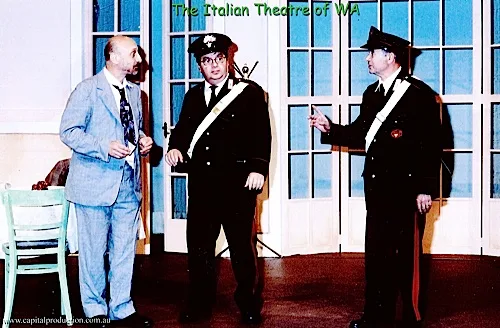
- Il Maresciallo
- Carlo Pennone
- Il Brigadiere
- Bill Vocisano
- Sandrino, Barone di Torrepadula
- Andrea Basile
- Comparse
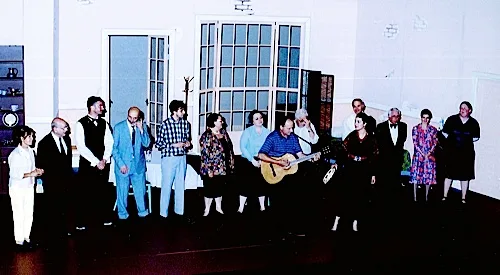
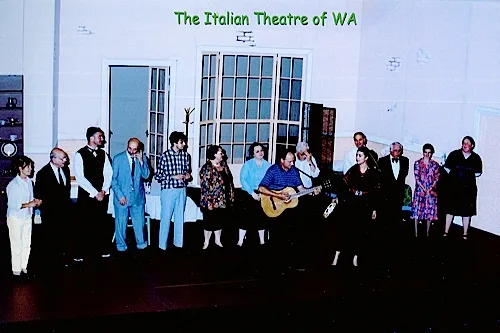
- Rosa & Peppino Tizzano, Giorgio Manfredi, Abramo Pietropaolo
About the play
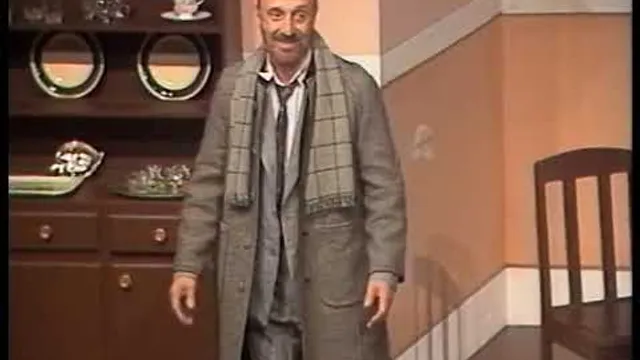
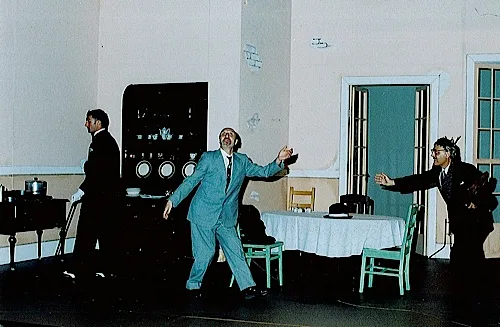
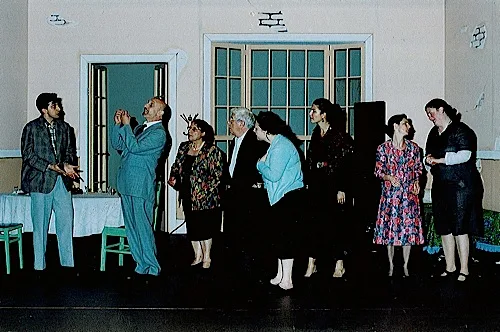
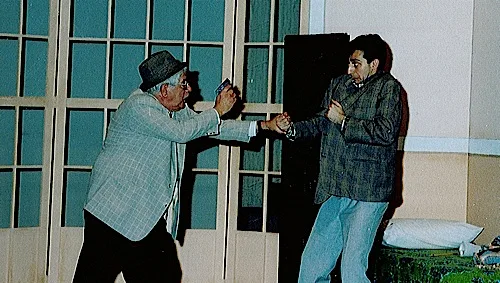
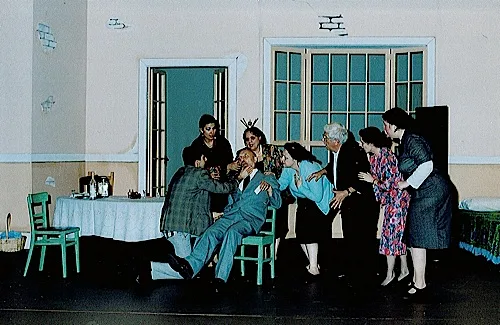
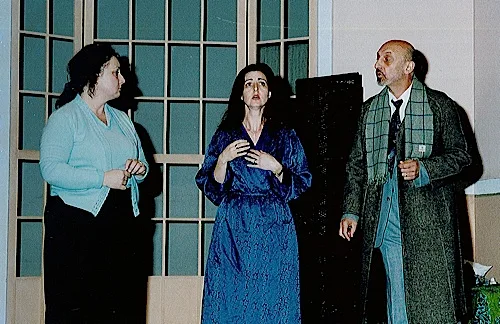
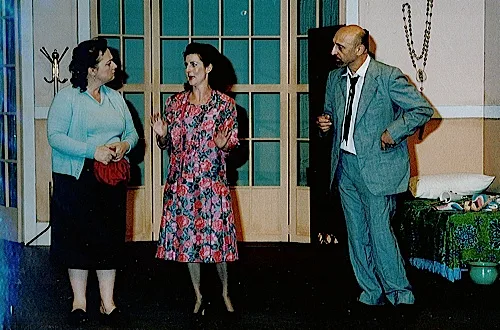
The Commedia dell’arte was still alive and well in this comedy which was first performed in Rome in 1942, when Italy was a country deep in war and struggling to extend a livable life to the bulk of the population. Originally set in Naples during this period of great hardship, our adaptation places events immediately after the war. Above all, this play concerns the characteristic Italian art of “getting by” (“arrangiarsi”), especially useful when times are hard. In presenting the quintessential example of an impoverished Neapolitan family, our two playwrights steer the audience through a series of amusing situations punctuated by slapstick humour and other comical happenings. The moral of this piece could be summed up as: “Be always ready!”, if you want to overcome adverse fortune, as well as the cunning and bad faith of others.
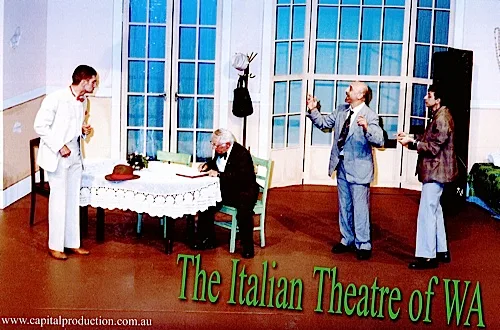
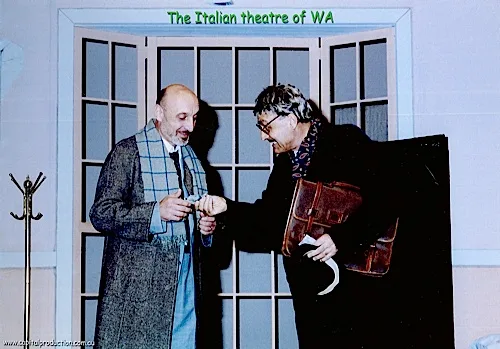
Long-term unemployed Giovanni Ruoppolo is in dire straits: he is poor and ignorant, but also very resourceful. His main handicap is an adopted son, Enricuccio, who seems slow and quite a handful, especially for Giovanni. However, Enricuccio is not as stupid as he makes out; he is mostly bone-lazy, and artfully plays the part of an immature person who exaggerates his apparent handicap. It’s due to him that Giovanni almost loses a fortune, unexpectedly inherited from his recently deceased brother in America. As a crisis looms large for the Ruoppolos, it’s only due to Giovanni’s quick thinking and greater cunning that the final outcome will be a good one for him and his family: he would rather go to prison than lose his justly deserved inheritance, and he does so by using the law to his advantage.