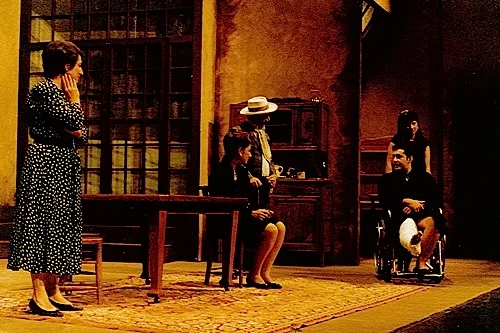
Productions · 1992
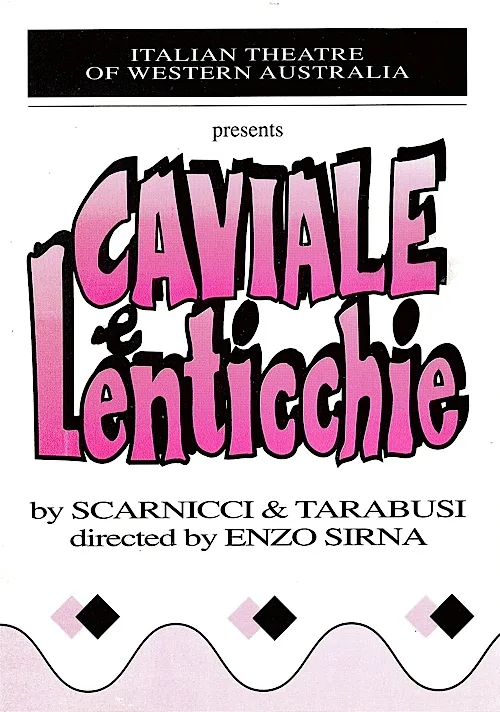
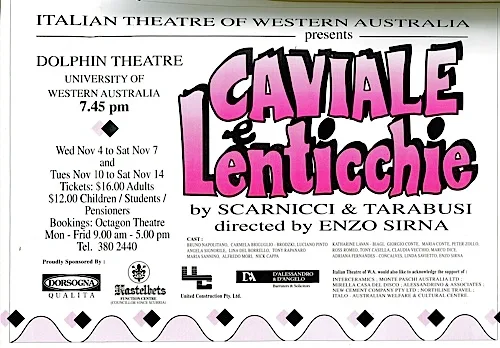
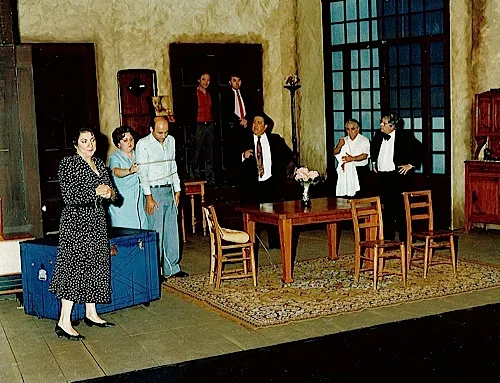
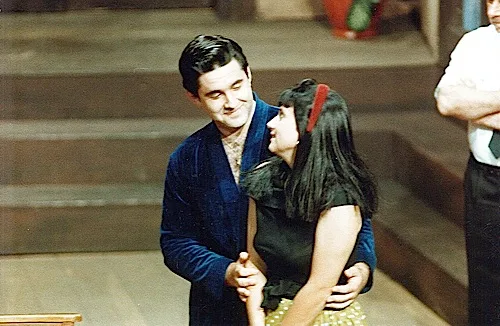
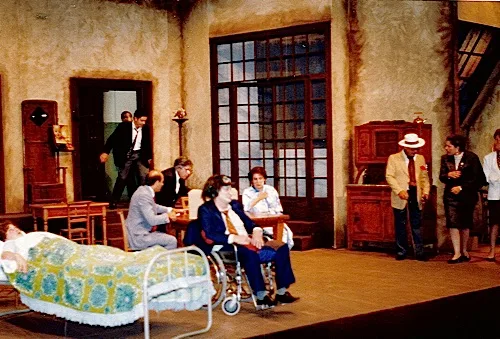
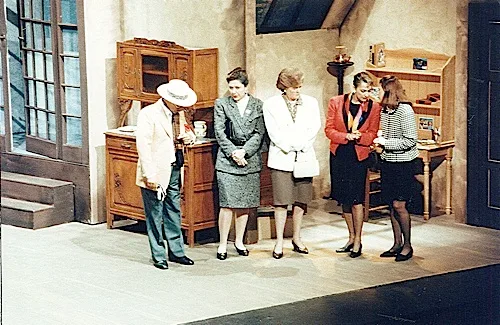
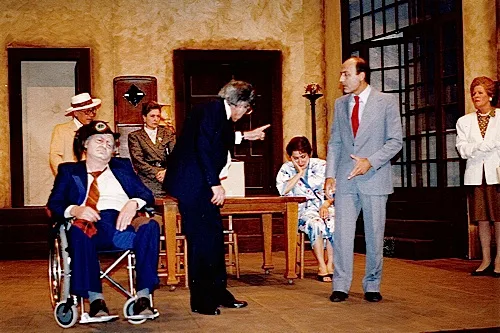
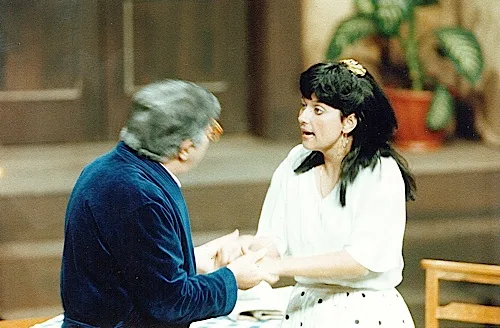
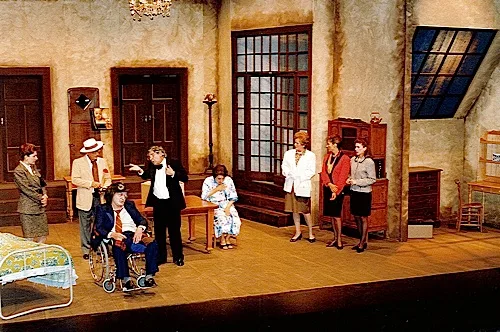
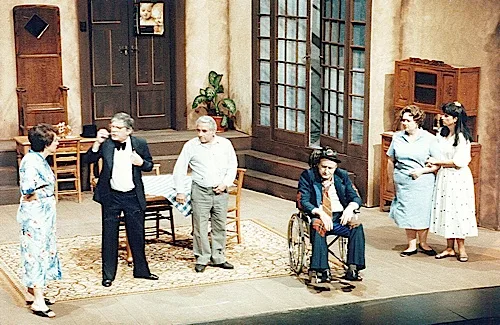
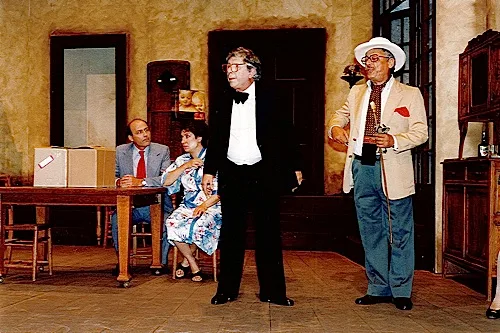
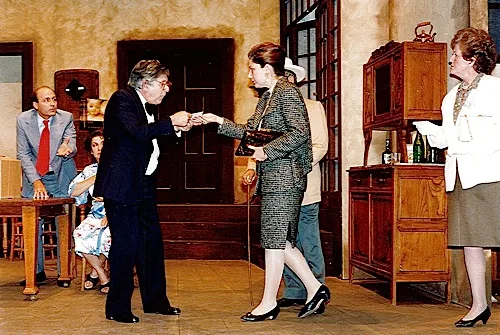
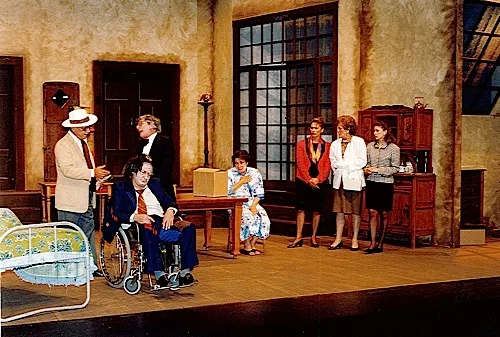
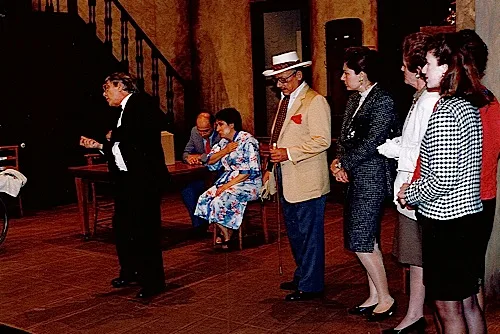
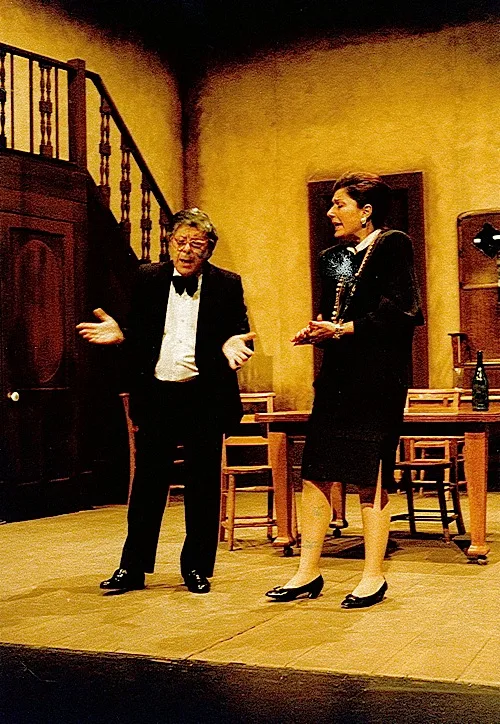
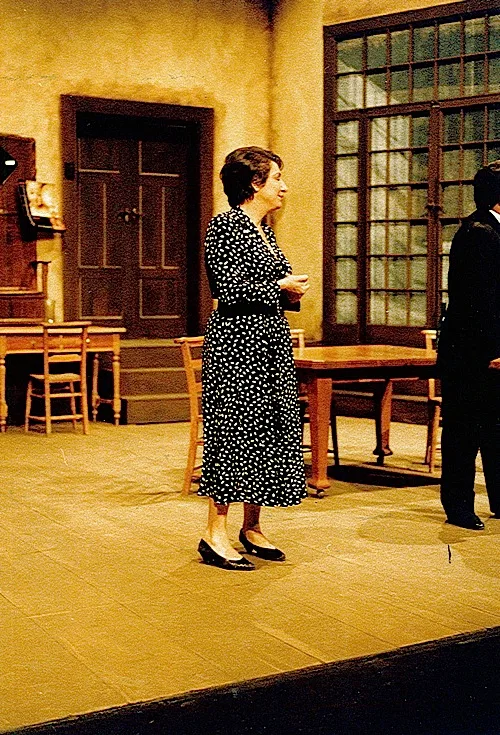
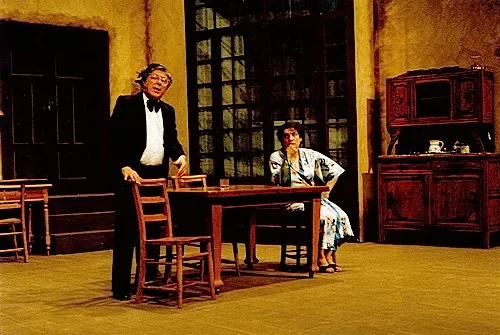
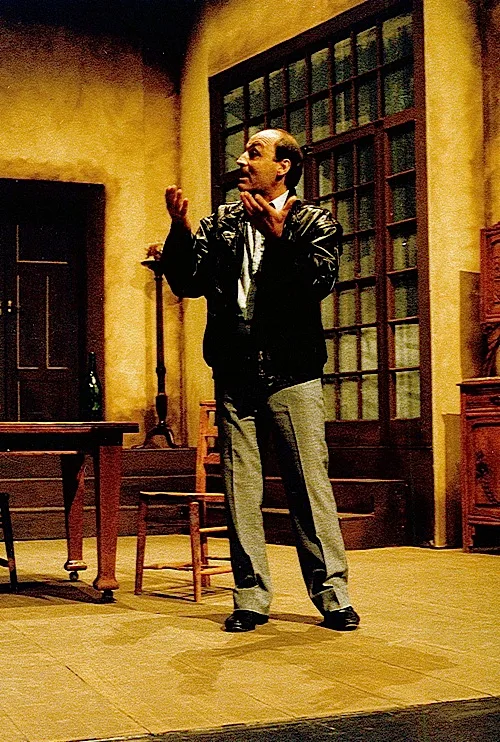
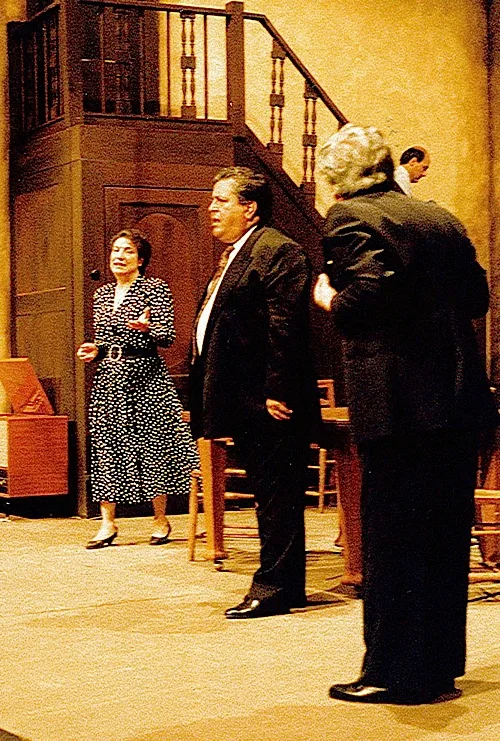
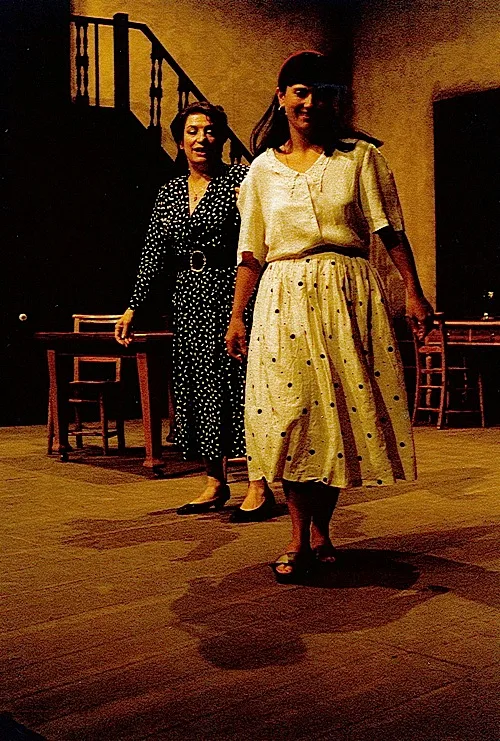
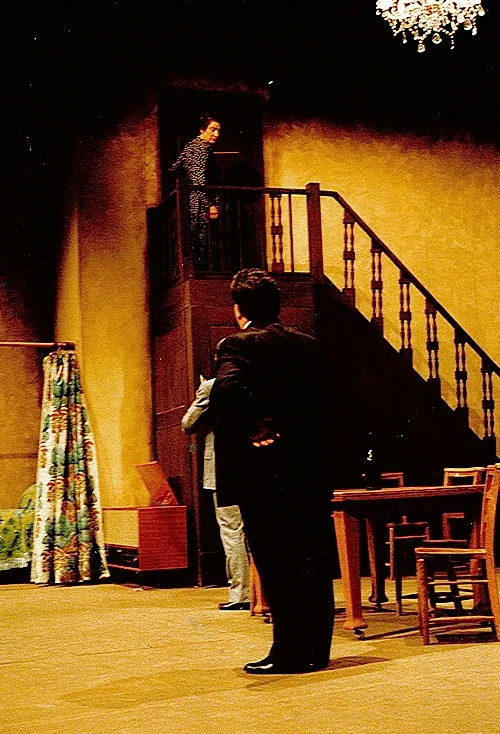
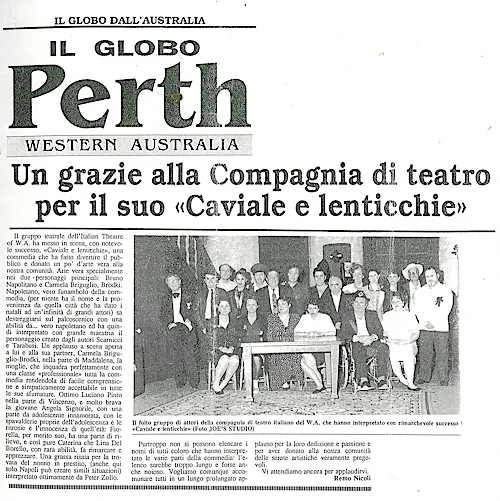
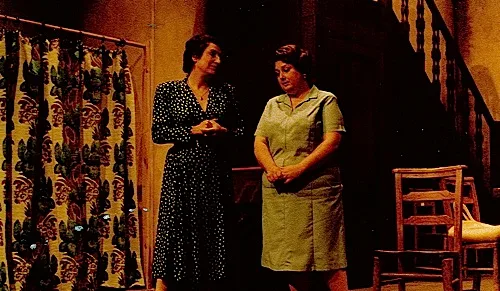
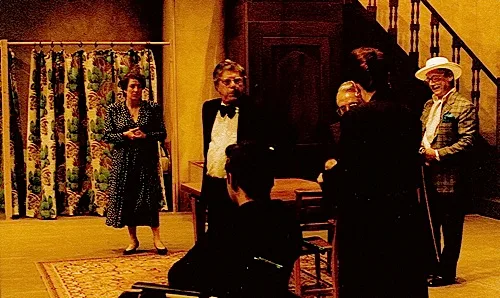
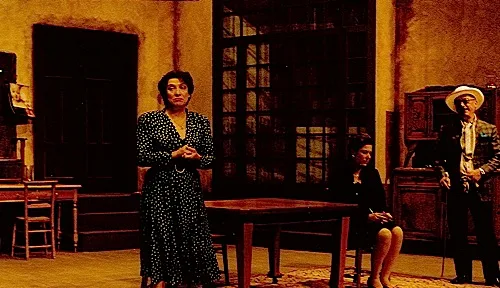
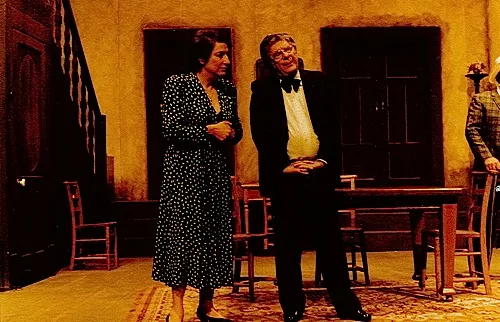
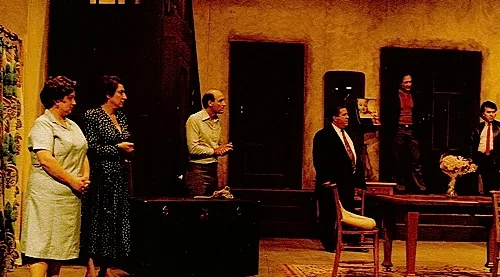
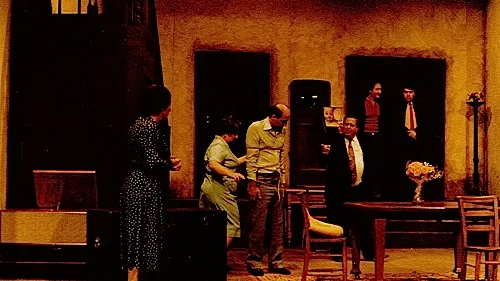
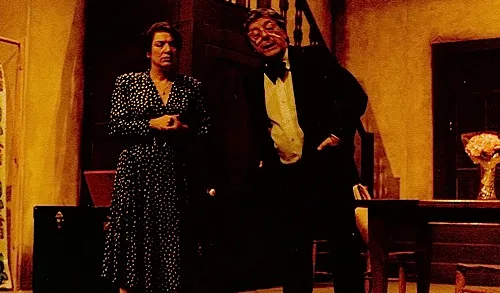
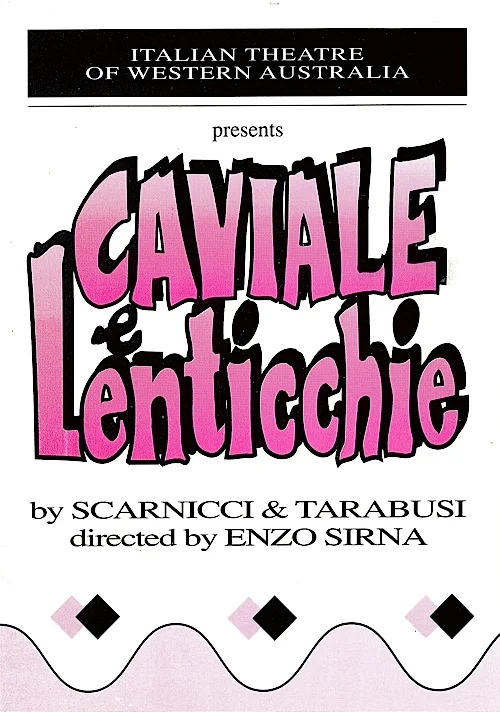
Caviale e lenticchie
Directed by Enzo Sirna
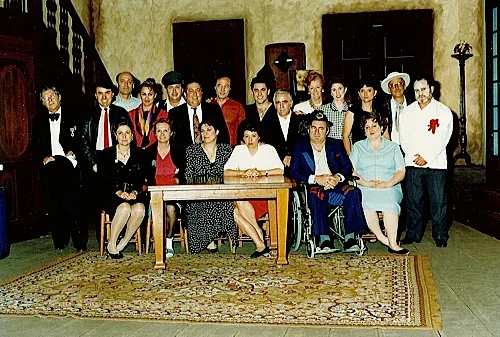
Cast
- Don Liborio
- Bruno Napolitano
- Maddalena
- Carmela Briguglio-Brodzki
- Vincenzo
- Luciano Pinto
- Fiorella
- Angela Signorile
- Caterina
- Lina Del Borrello
- Leopoldo
- Tony Rapanaro
- Donna Agnese
- Maria Sannino
- Roberto
- Alfredo Mori
- Piluscio
- Nick Cappa
- Barone
- Giorgio Conte
- Contessa
- Katharine Levan-Biagi
- Contessina
- Linda Savietto
- Milena
- Adriana Fernandes Goncalves
- Nonno Simeone
- Peter Zollo
- Carmela
- Maria Conte
- Marcello
- Ross Romeo
- Alessio
- Tony Casella
- Pasquale
- Marco Dice
- Assunta
- Claudia Vecchio
- Filippo
- Enzo Sirna
About the play
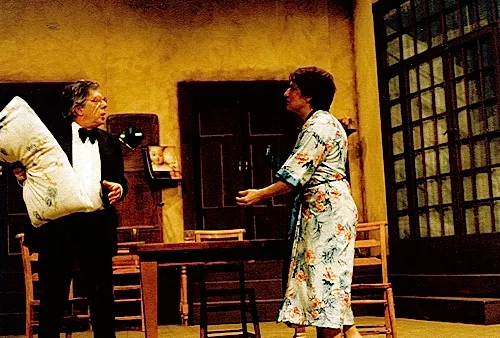
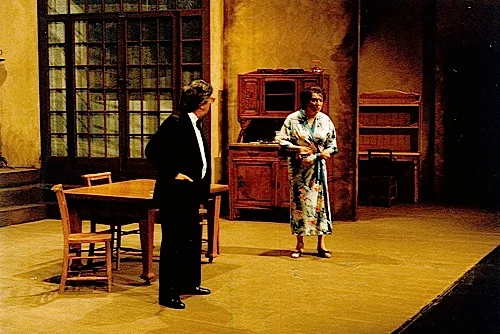
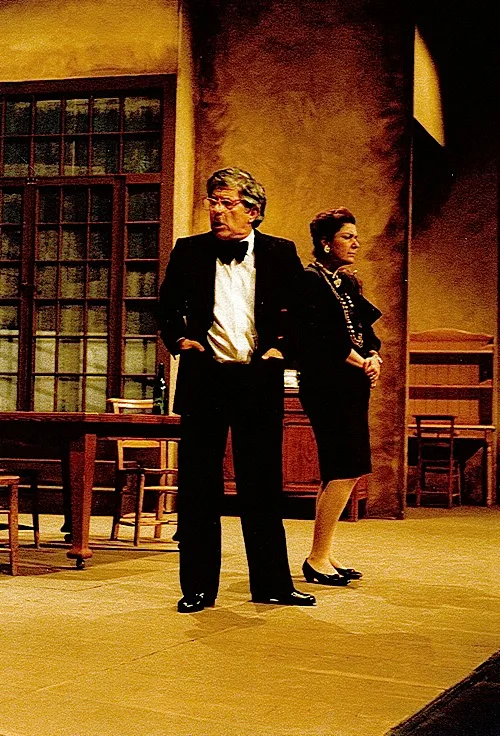
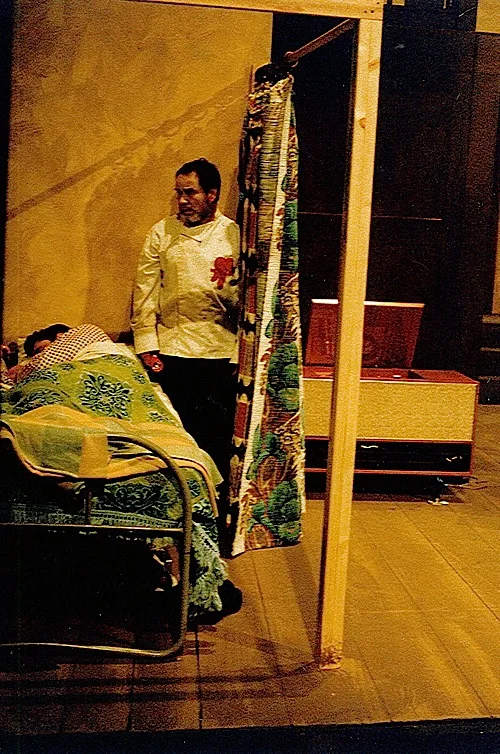
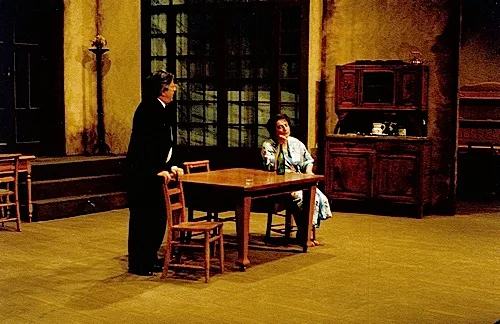
A cheering and exhilarating plot is the main distinguishing feature of this play, much along the lines of the old so-called improvised comedy in the Italian style – the “Commedia dell”Arte” – which was having a revival in Italy in the late 1940s and early 1950s through Giorgio Strehler’s work at the Piccolo Teatro di Milano. Typical of this “improvised” genre, Caviale e lenticche has not been published, but is only to be found as a script thus affording various performers the potential for adaptation and improvisation as required by circumstances, and such has been the case with this current production.
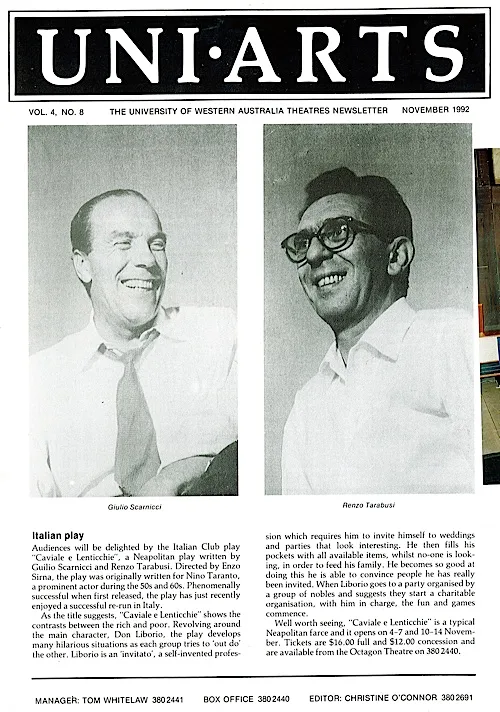
Humour in a light vein was the trademark of Giulio Scarnicci and Renzo Tarabusi, and this is evident throughout this play which maintains a precise sense of decorum in spite of the double sense sometimes intended by some of the characters. This kind of humour elicits a spontaneous response from the public because it is never vulgar, in spite of twists and complications which may arise in the situations confronting the characters on stage.
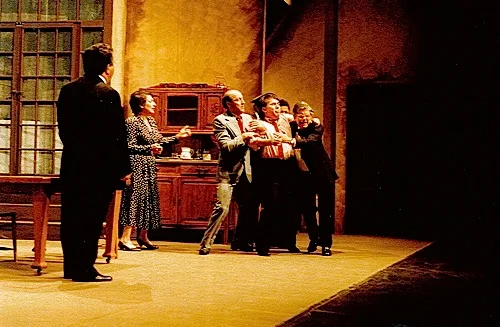
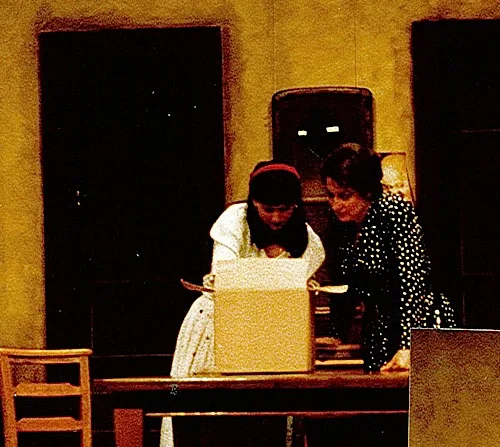
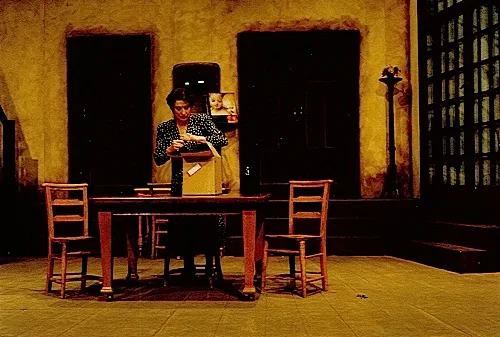
Most of the stock comic these of economic need, love, rivalry and intrigue, as well as a tendency to chastise common human foibles such as greed, ambition, pomp and hypocrisy, are the ingredients which have sustained the genre of comedy over the centuries, and Caviale e lenticchie is no exception. All of these things are brought together to form a gentle social satire in this play although its most conspicuous aspects are undoubtedly the impeccable sense of timing with which an attempted swindle, of a rather harmless though comical kind, is itself overtaken by a more sinister fraud which add complications of a grotesque kind to an already twisted plot. The complications and misunderstandings bought by this attempted fraud give the play a new momentum which gradually gathers pace until it reaches a dizzying speed a t the end of the second act. The acrobatics of Don Liborio and his “collaborators” , as they desperately try to weave their way through the tangled web they have woven around themselves, without giving themselves away of course, are the classic “stage business” routines of the kind normally associated with comedy and farce. There is much confusion, which in turn gives rise to suspicions doubts and ambiguities, all of which, together with the many excellent “one-liners” in the expertly crafted quick exchanges between characters, combine to perfection to make this a very entertaining and irresistibly funny play.