Productions · 2007
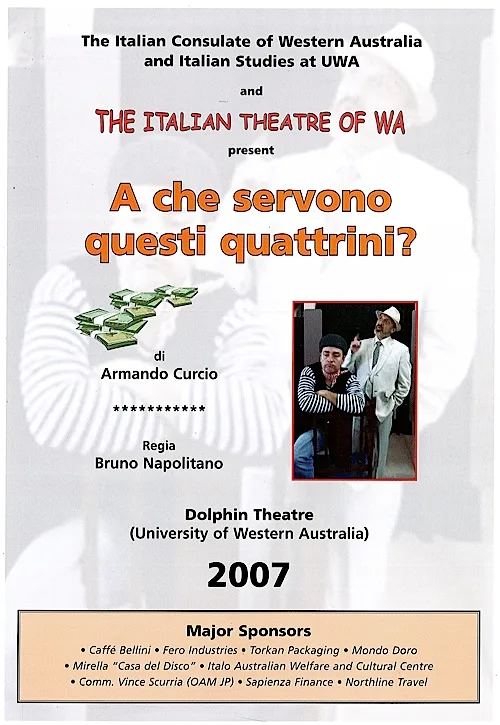
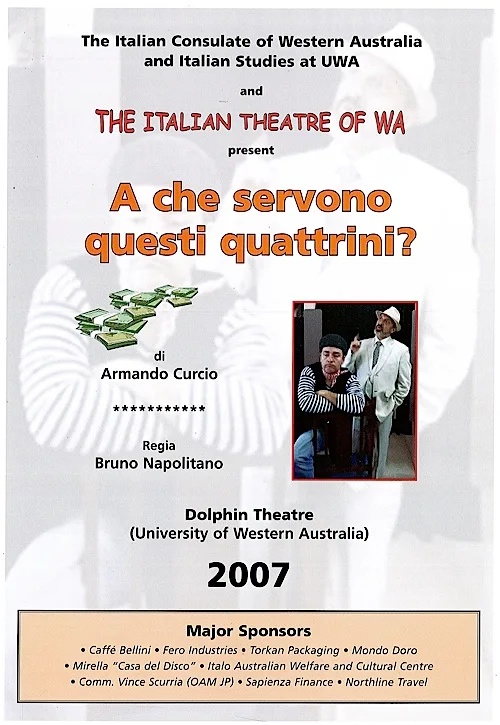
A che servono questi quattrini?
Directed by Bruno Napolitano
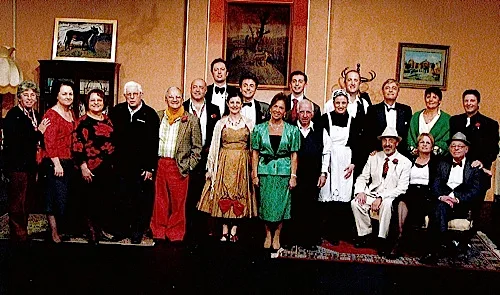
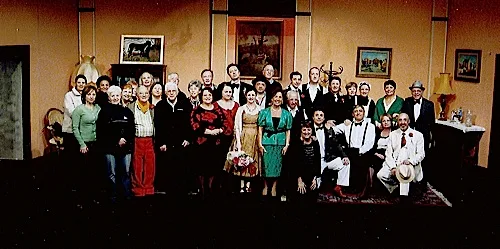
Cast
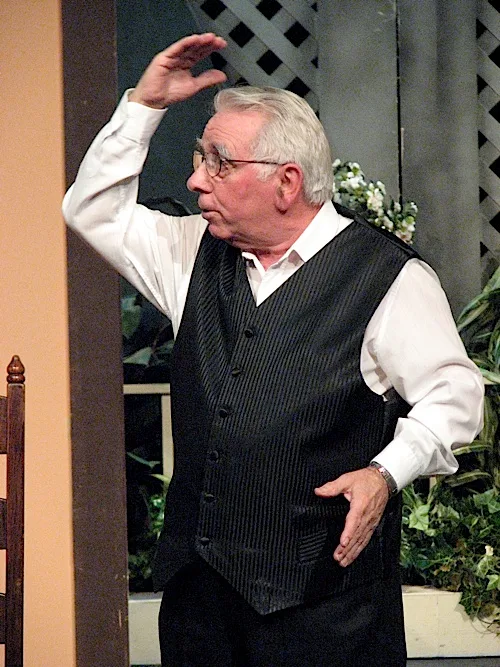
- Don Ferdinando
- Luciano Pinto
- Donna Carmela
- Maria Conte
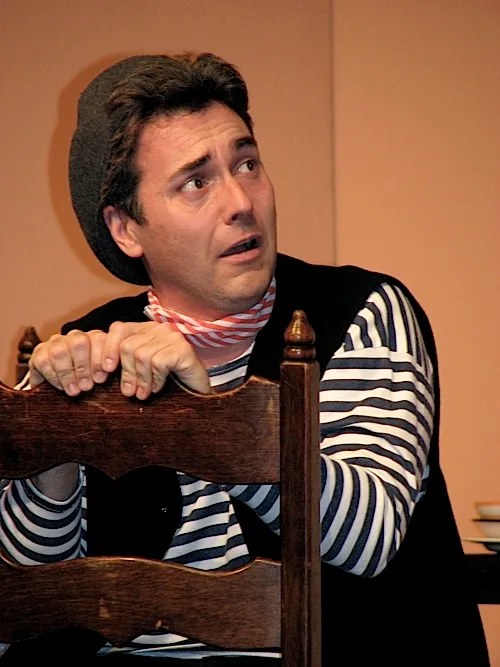
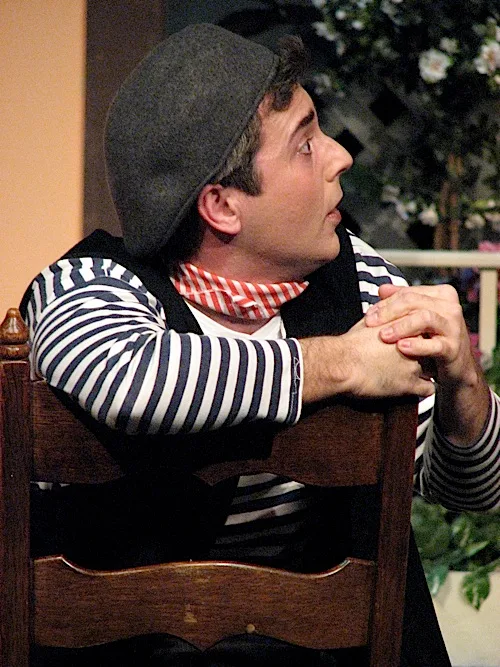
- Vicenzino Esposito, nipote di Carmela
- Gianpaolo Casali
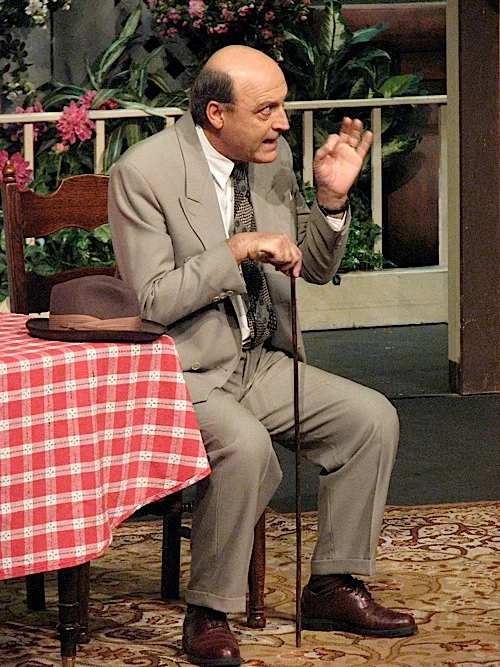
- Eduardo Parascandolo
- Rino Pellone
- Cav. De Simone, padrone di casa di Carmela
- Carlo Picchetti
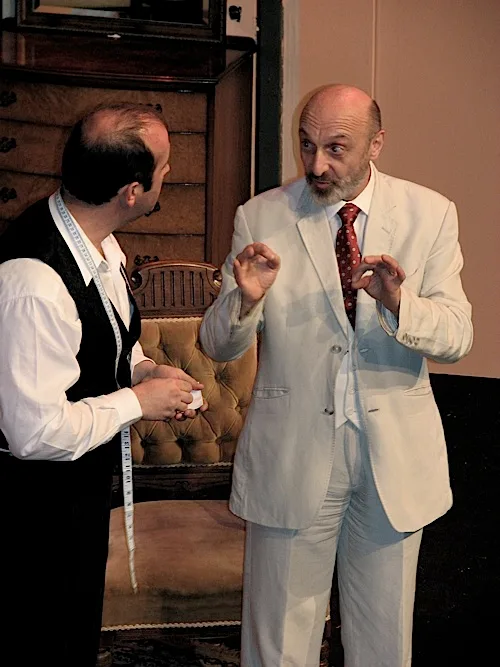
- Don Peppino, sarto
- John Conte
- Notaio Colascione
- Massimo Cugola
- Donna Concetta
- Nicoletta Ciampini
- Donna Nunziatina
- Lina Del Borrello
- Donn’Assunta
- Annita Santalucia
- Garzone
- Nick Cappa
- Rachelina, sorella di Don Ferdinando
- Pina Zingales
- Donn’Angelica, moglie di Don Ferdinando
- Rosa Tizzano
- Luisa, cameriera di Donn’Angelica
- Patricia Lewis
- Rag. Achille Spirito
- Rocco Loiacono
- Palmieri, strozzino
- Aldo Santalucia
- Gaetano
- Massimo Cugola
- Marchetiello
- Abramo Pietropaolo
- Pascalino
- Peppino Tizzano
About the play
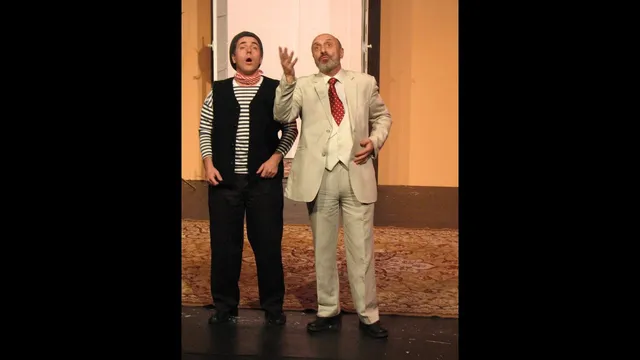
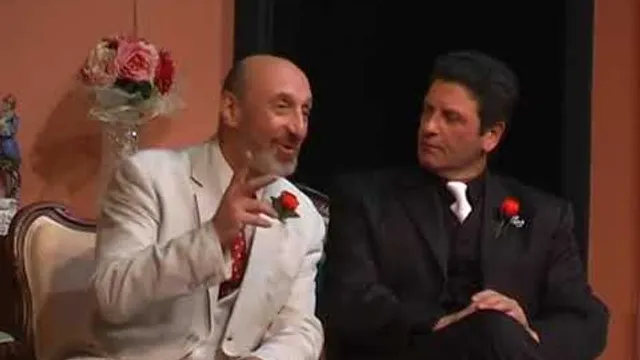
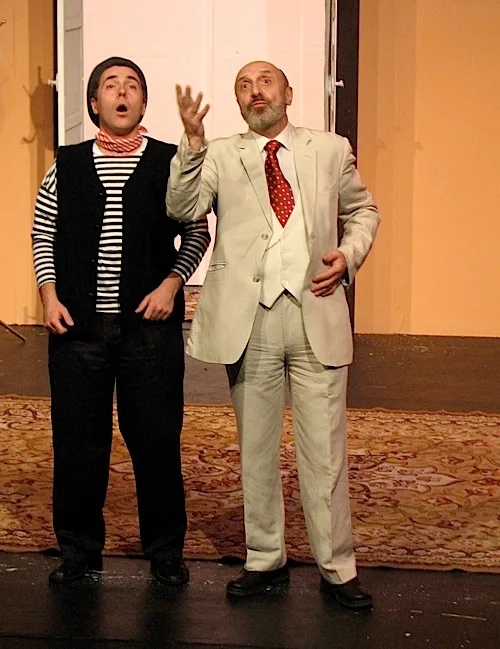
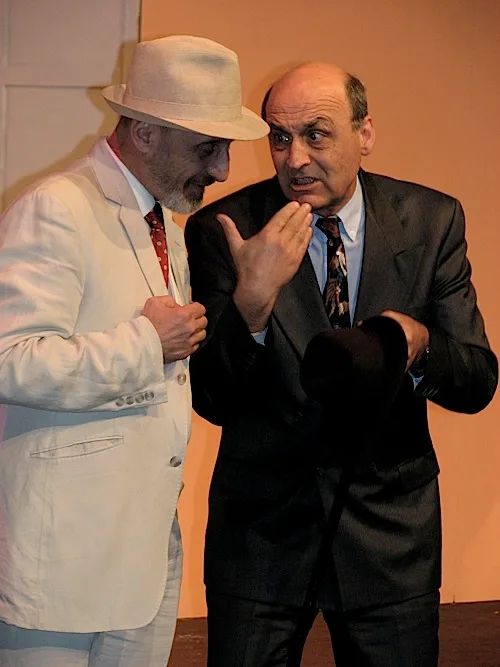
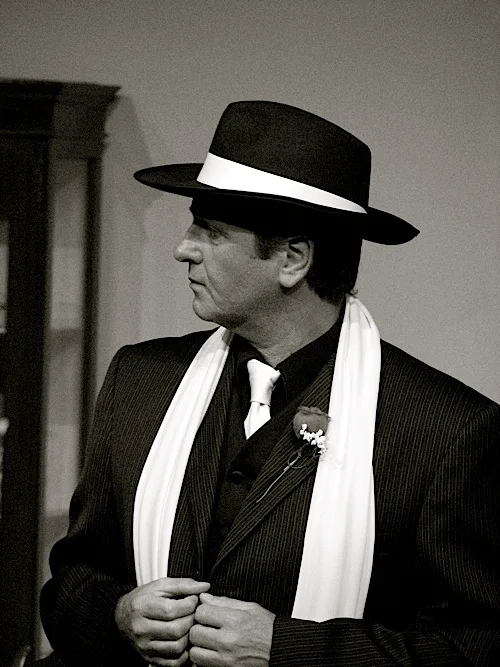
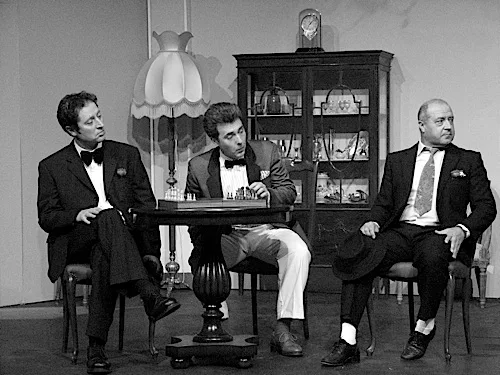
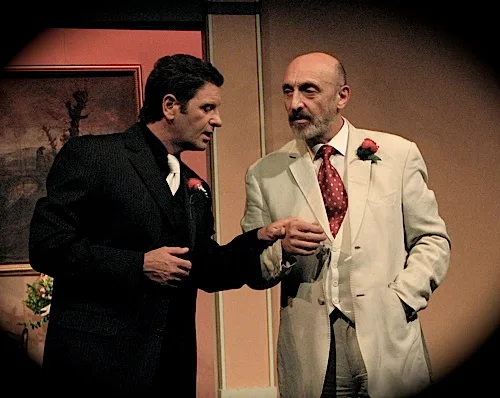
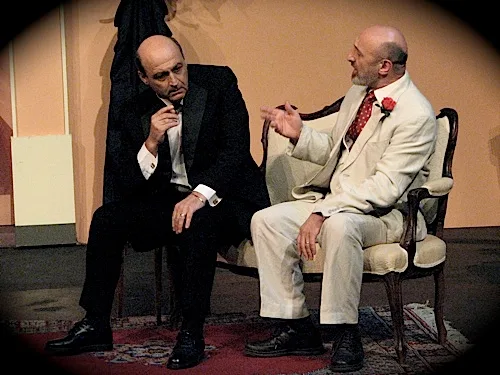
Situated in Naples during the final years of the Fascist regime, Armando Curcioa’s comic play features “Professor” Eduardo Parascandolo, a charming though impoverished aristocrat, who claims that man’s desire for money is a lowly and unworthy aspiration, and the root of human unhappiness and misery. Supported by a handful of “disciples”, he philosophises that you don’t have to be rich in order to enjoy life’s finer things. In fact, he openly proclaims the futility of work for the sake of money.
By his own account, he squandered a considerable wealth in the process of putting into practice his “philosophy” of enjoying a lifetime of idleness and leisure in order to reach a ripe old age unfettered by the vulgar (bourgeois?) passion for money and riches.
“Professor” Parascandolo’s prestige rests on his ability with words, and he demonstrates his ability to persuade, convince and even cajole the gullible and the self-interested through a clever ploy, which constitutes the action of this play.
Using a paradoxical kind of logic and a good deal of cunning he manages first to convince Vicenzino, a young wood-turner, to give up his job. He then invents a new scenario for Vicenzino, who unexpectedly inherits a very modest sum from a distant relative in America, who also left several millions to another cousin. The cleverness of the “Professor” lies in creating the illusion in others that Vicenzino’s inheritance runs into the millions. Reality and illusion become inseparable as gossip spreads through the neighbourhood.
The “Professor” continues to work behind the scenes, creatively and intelligently like a grand puppeteer, to prove (perhaps to himself more than to anyone else) his pet thesis: you don’t need to have money to make good, as long as you can make others believe that you have it.
Through this comical paradox the play reaches a happy ending, albeit through a surprising and very unusual economic doctrine or thesis: creating in others an illusion of riches can in fact provide you with the same gains and advantages of a real fortune …